How to Survive as a Rust Solo on Wipe Day and Turn a 2x1 Into a Fortress
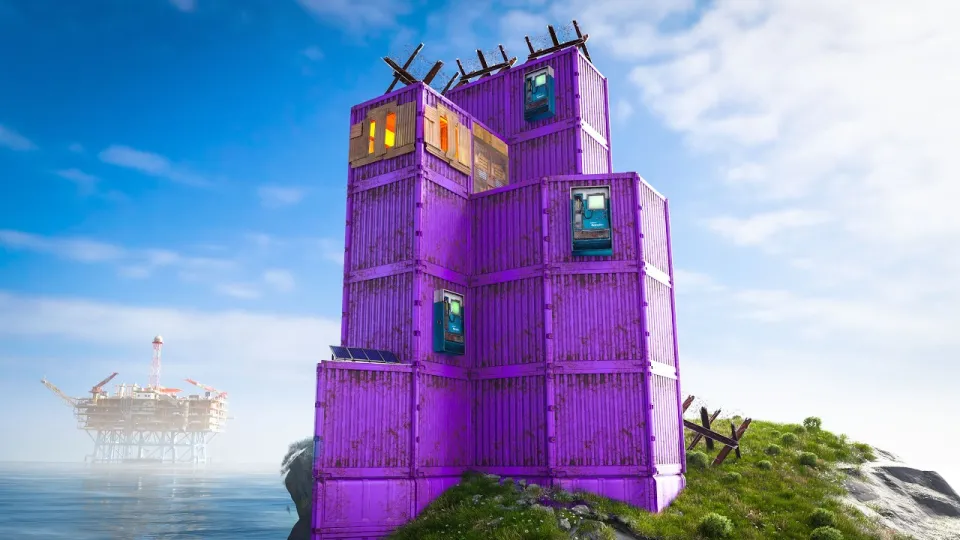
Video: A Solo's Will to Thrive V5 - Rust
You can order the same kind of articles for your own video to boost it on YouTube and Google. Just message the Telegram bot @sat_sit_bot. It writes articles around your video, embeds the video and publishes them on popular niche websites (no ads). Your first 50 articles are free.
Rust solo play on wipe day works when you keep the base small, farm early, hit Large Oilrig for a loot spike and treat every raid defence as a PvP fight rather than a wall-staring contest. The formula is boring on paper and brutal in practice: a 2x1 starter, a fast furnace and workbench, a boat, and the discipline to move loot before someone finds you. The solo run in Oilrats' "A Solo's Will to Thrive V5" shows the same loop, and viewers who want the creator's gear can grab it through the Oilrats mousepad drop.
What a Rust solo wipe day actually looks like
A solo wipe day in Rust is a race between your first workbench and the first clan that decides your grid belongs to them. The opening hour decides most of the wipe: if you get a sleeping bag, a furnace and a tier-1 bench down before the neighbours finish their compound, you have a chance to scale. If you spend that hour chasing a fight you cannot win, you respawn on the beach with nothing.
The pattern in the Oilrats solo series is consistent — the run opens with a 2x1, the smallest practical footprint that still holds a bench, boxes and a bed. Comments under the video point out that the starter has not changed across episodes, and that is the point: a repeatable opening removes decisions when you are tired, being chased or starting over for the fourth time.
- Spawn, gather wood and stone for a tool cupboard, a 2x1 shell and a sleeping bag.
- Get a furnace and smelt metal for a tier-1 workbench before building anything decorative.
- Craft a bow and arrows, then a crossbow as soon as you can afford it.
- Place a second sleeping bag away from the base so a raid does not end your wipe.
- Only then start farming scrap for blueprints.
Why the 2x1 starter still beats a big solo base
A 2x1 is cheap to upkeep, fast to rebuild and easy to hide, which is exactly what a solo needs against groups. A solo cannot defend a large base alone: more rooms mean more doors, more honeycomb and more angles for a raid team to exploit. A small base with a bunker, a well-placed tool cupboard and a stash nearby keeps the loss small when things go wrong.
The trade-off is storage and crafting space, so most experienced solos split the difference: a compact main base for the workbench and loot, plus a disposable forward base near a monument. That way a raid on the main base costs you a rebuild, not the wipe.
How to farm and progress without a clan
Solo progression in Rust comes from routes, not from hours; a player who knows three safe scrap routes will out-earn someone farming blindly for twice as long. The reliable sources are monuments with low traffic, road crates, and the ocean — boats give a solo mobility that clans rarely contest.
- Run low-tier monuments early, before groups spread out from their compounds.
- Use the sea for barrels and diving crates; a boat is cheaper than a car and harder to ambush.
- Recycle at out-of-the-way recyclers and never carry more scrap than you can afford to lose.
- Bank blueprints the moment you can — a researched item survives a wipe, a box of loot does not.
Large Oilrig is the big spike. It offers elite crates and locked crate loot that can jump-start a solo's gear tier in a single trip, but it also attracts groups. The safe approach is to arrive with a boat, clear the approach, loot fast and leave before the respawns or a counter-boat show up.
How to defend a solo base against a group raid
Base defence as a solo is a PvP problem, not a building problem; the walls buy time, the player inside wins or loses the fight. Raiders who bring six players, heavy weapons and a dedicated rocket specialist to a small solo base are not looking for a fair fight — they are trying to end it fast. The counter is preparation: know your shooting angles, keep a kit in a stash, and never fight from the same peek twice.
- Store a defence kit — weapon, ammo, meds and armour — outside the raid path.
- Use the tool cupboard and door mechanics to slow entry instead of meeting them at the first door.
- Trade shots from unexpected angles; a raider holding a rocket launcher is vulnerable while reloading.
- Respawn on the outside bag and hit the raid from behind if the base is lost.
- Accept the loss of the base if the fight turns; the wipe continues as long as your blueprints and bags survive.
The habits that separate a surviving solo from a wiped one
Surviving as a Rust solo is mostly about decisions made before contact, not aim during it. Players who last a full wipe tend to share a few habits: they build away from the busiest grid, they move loot in small trips, they log off with gear on their body rather than in a box, and they treat every unknown player as hostile until proven otherwise.
A second habit is tempo. The creators who pump out solo movies every week are playing a lot of hours, and the footage hides the deaths, the failed starts and the rebuilds. Watching a two-hour cut of a wipe is useful for route ideas and base layouts, but it is not a realistic benchmark for a player with a job.
Common questions about solo Rust runs
Solo Rust content raises the same doubts every wipe: is a small base really safer, is Oilrig worth the risk, and how do you deal with groups that outnumber you six to one. The short answers are yes, usually, and by fighting on your terms or not at all.
- Small bases lose less when raided, so the expected loss per wipe drops.
- Large Oilrig is the best solo loot spike, but only with an exit plan.
- Groups raid solos for easy loot; making the raid expensive is the only real deterrent.
- Blueprints, bags and stashes are the assets that survive a lost base.
Useful links
- Oilrats mousepad and gear drop
- https://www.twitch.tv/oilrats
- https://www.tiktok.com/@oilrats
- https://discord.gg/hrvWH8r9bS
- https://twitter.com/OilratsRust
Final takeaway
Solo Rust is a discipline test disguised as a survival game: small base, fast farm, one big loot run and a defence plan you can execute half asleep. The "A Solo's Will to Thrive V5" run from the Oilrats channel is a good template because it repeats the same opening instead of chasing novelty, and the editing keeps the downtime out of the story. Copy the structure, not the highlight reel — most of a solo wipe is farming, scouting and rebuilding. If you want to support the creator, the Oilrats drop at epicdesk.shop is the direct link from the video.
Key takeaways
- A solo wipe-day run starts with the classic 2x1 base, not a large compound — small footprint, cheap upkeep, fast rebuild.
- Large Oilrig is the main loot spike for a solo: elite crates and locked crates without a clan to split the profit.
- Raids on solo bases often arrive 6-deep with rocket PvP support — defence matters more than the loot inside.
- Editing and pacing turn a long wipe into a watchable movie; the Oilrats V5 solo run was cut down to roughly two hours.
- Mousepads and gear from the creator's drop are the only product link tied to the video.
Source: A Solo's Will to Thrive V5 - Rust · Markdown version
Questions & answers
Is a 2x1 base really enough for a solo in Rust?
For the early and mid wipe, yes. A 2x1 with a bunker, a tool cupboard and a nearby stash holds a workbench, boxes and a bed while costing almost nothing to upkeep. Most solos expand only after they have blueprints worth protecting.
Is Large Oilrig worth doing alone in Rust?
It is the strongest solo loot spike in the game, with elite and locked crates that can jump-start your gear tier. The risk is counter-boats and groups, so arrive with a boat, clear the approach, loot quickly and leave before respawns or reinforcements show up.
How do you defend against a group raiding your solo base?
Treat it as a PvP fight with walls attached. Keep a defence kit stashed outside the raid path, shoot from changing angles, punish reloads, and use an outside sleeping bag to hit the raiders from behind if the base falls.
Why do solo players get raided so often?
Small bases look like easy profit, and groups often bring numbers and heavy weapons to end the fight quickly. You cannot stop the raid, but you can make it expensive and keep your blueprints, bags and stashes so the wipe continues after the base is gone.